Relief for Hypermobility with Tailored Massage: Discover the Hypermobility Massage Benefits
- enquiries1337
- Mar 19
- 3 min read
If you’ve ever felt like your joints are auditioning for a circus act, bending and twisting in ways that make others gasp, you might be familiar with hypermobility. It’s a quirky condition where your joints move beyond the usual range, which sounds fun until you realize it can lead to pain, fatigue, and a whole lot of discomfort. But guess what? There’s a secret weapon in the wellness world that can help ease those creaky, wobbly moments: tailored massage. Let’s dive into how hypermobility massage benefits can bring relief and why it might just be your new best friend.
What Exactly Is Hypermobility and Why Does It Matter?
Before we get into the massage magic, let’s break down hypermobility. It’s when your joints can move more than they’re supposed to. Think of it like your body’s version of a rubber band that’s been stretched a bit too far. This flexibility might sound like a superpower, but it often comes with a catch: joint pain, muscle fatigue, and sometimes even dislocations.
People with hypermobility often experience:
Joint instability
Muscle tightness as the body tries to compensate
Fatigue from overworking muscles to support loose joints
Occasional swelling or discomfort after activity
So, why does this matter? Because managing hypermobility isn’t just about being flexible; it’s about keeping your body stable and pain-free. And that’s where tailored massage steps in.
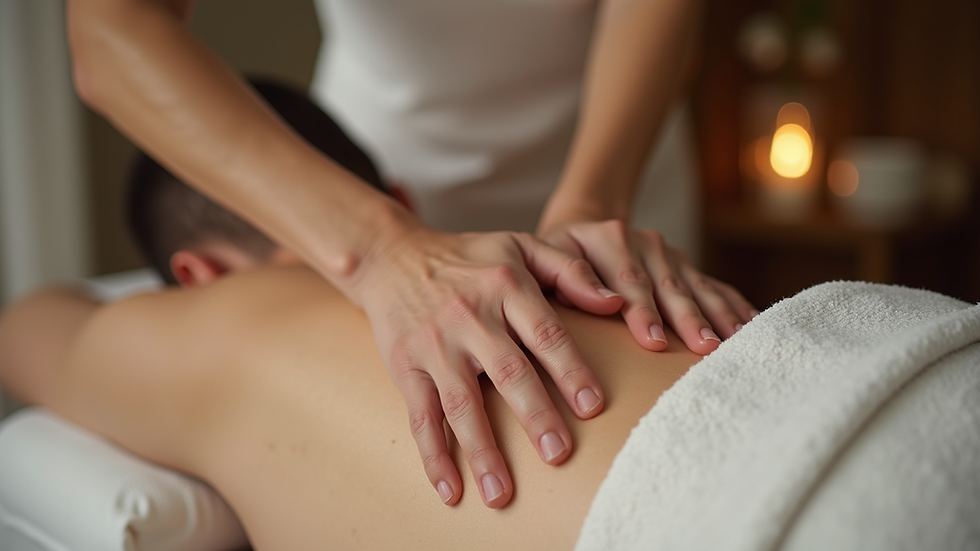
Hypermobility Massage Benefits: More Than Just a Rubdown
You might be thinking, “Massage? For hypermobility? Isn’t that just pampering?” Oh, if only it were that simple! Tailored massage for hypermobility is a carefully crafted approach that focuses on stabilising joints, easing muscle tension, and improving overall function.
Here’s what makes it special:
Targeted Muscle Support: Since hypermobile joints lack stability, muscles often work overtime to compensate. Massage helps relax these overworked muscles, reducing fatigue and pain.
Improved Circulation: Better blood flow means faster healing and less inflammation around those tricky joints.
Enhanced Proprioception: This fancy word means your body’s ability to sense where your joints are in space. Massage can help improve this, reducing the risk of injury.
Stress Relief: Chronic pain can be a real downer. Massage releases feel-good hormones like endorphins, lifting your mood and helping you cope better.
If you’re in Auckland and looking for expert help, you might want to check out massage for hypermobility for professional, tailored treatments that understand your unique needs.
How to Help a Hypermobility Flare Up?
Flare-ups are the unwelcome guests of hypermobility – sudden increases in pain, swelling, or fatigue that can throw your day off balance. When these flare-ups hit, what can you do besides binge-watch your favourite series?
Here are some practical tips:
Rest and Support: Give your joints a break. Use braces or supports if recommended by your therapist or doctor.
Gentle Movement: It might sound counterintuitive, but light, controlled movement can prevent stiffness. Think slow stretches or gentle walking.
Ice Packs: Applying cold can reduce inflammation and numb the pain.
Tailored Massage: A session focused on reducing muscle tension and improving circulation can calm the flare-up.
Hydration and Nutrition: Keep your body fuelled with water and anti-inflammatory foods like berries, nuts, and leafy greens.
Remember, flare-ups are temporary. With the right care, you can bounce back stronger.
Why Tailored Massage Is a Game-Changer for Hypermobility
Not all massages are created equal, especially when it comes to hypermobility. A one-size-fits-all approach might leave you feeling worse, not better. Tailored massage means the therapist understands your body’s quirks and works with them, not against them.
Here’s what tailored massage looks like:
Assessment First: The therapist checks your joint range, muscle tone, and pain points.
Gentle Techniques: Instead of deep tissue that might overstretch joints, they use gentle, stabilising strokes.
Focus on Muscle Balance: Targeting tight muscles that are overcompensating and strengthening weaker ones.
Education: You learn self-care tips and exercises to maintain the benefits between sessions.
This personalised approach means you’re not just getting a massage; you’re getting a treatment plan designed to keep you moving comfortably.
Incorporating Massage Into Your Holistic Wellness Routine
Massage isn’t a magic wand that fixes everything overnight, but when combined with other healthy habits, it can be a powerful part of your wellness toolkit.
Consider pairing massage with:
Physiotherapy: To strengthen muscles and improve joint stability.
Mindfulness and Relaxation: Stress can worsen pain, so practices like meditation or gentle yoga help.
Proper Nutrition: Anti-inflammatory foods support healing.
Regular Movement: Low-impact exercises like swimming or pilates keep joints mobile without strain.
By weaving massage into this holistic approach, you’re giving your body the best chance to thrive despite hypermobility.
If you’re ready to explore how tailored massage can ease your hypermobility woes, why not give it a go? With expert care and a bit of patience, you might just find your joints thanking you for the extra TLC. After all, life’s too short to be held back by creaky joints!


Comments